No study partner needed. No credits. Just speak, get scored, and improve.
Trusted by students at
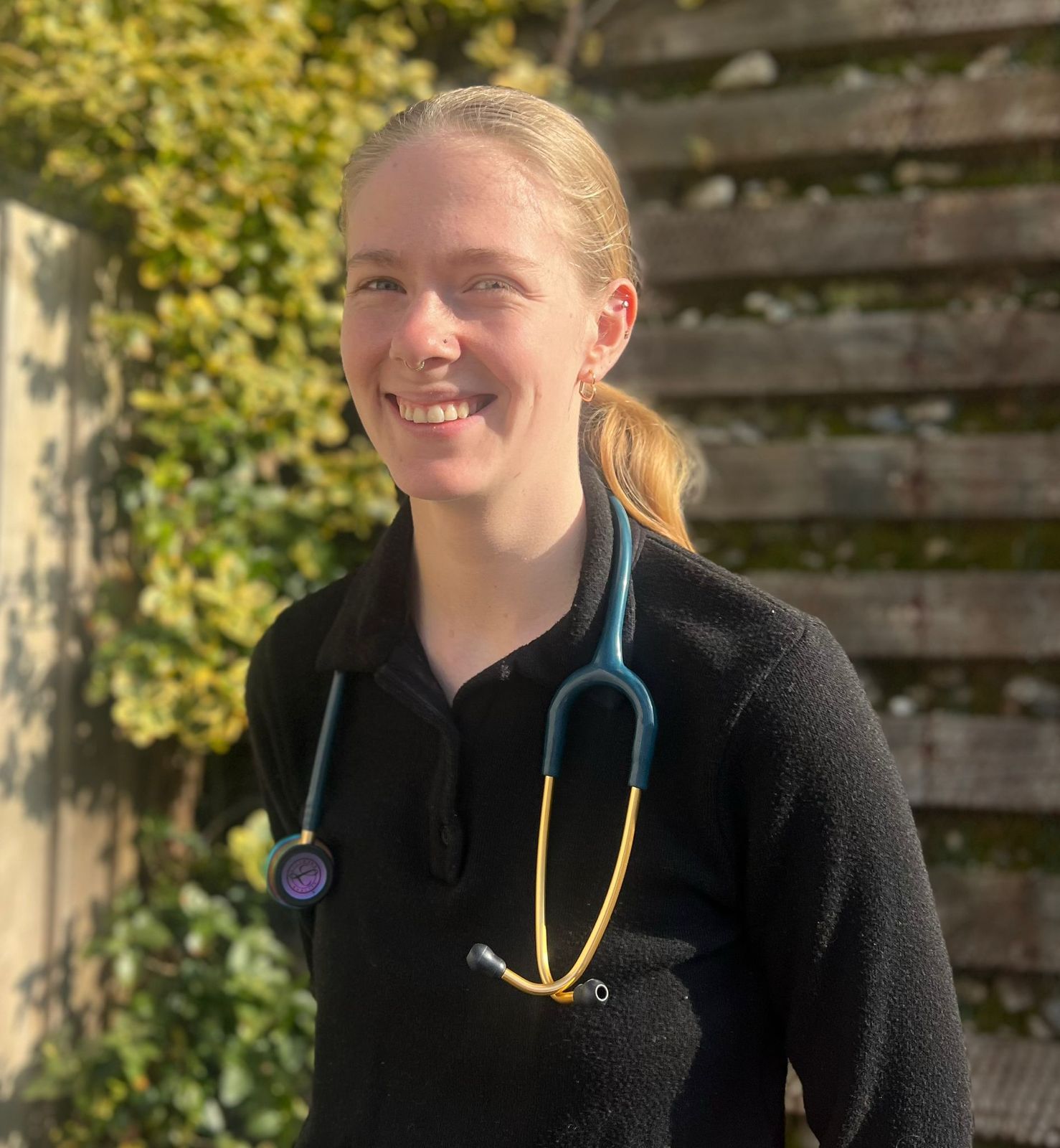
The AI-patient simulations helped me refine my structure, timing, and communication skills in a realistic, low-pressure setting. The instant feedback shows exactly where I can improve. I feel far more confident going into my OSCEs.

Emily Bennett
5th Year — University of Exeter
MLAbuddy has really helped me get into the routine of questions we're expected to ask all patients. All this practice has made it muscle memory. It's also great at encouraging evidence-based management — keeping me up to date with NICE guidelines.
Anonymous
4th Year — UCL
Has helped me massively with differential diagnoses and OSCE history taking. The number one reason I'd recommend it is how interactive it is — MLAbuddy mirrors what we do daily in clinical medicine. The patients are incredibly authentic.

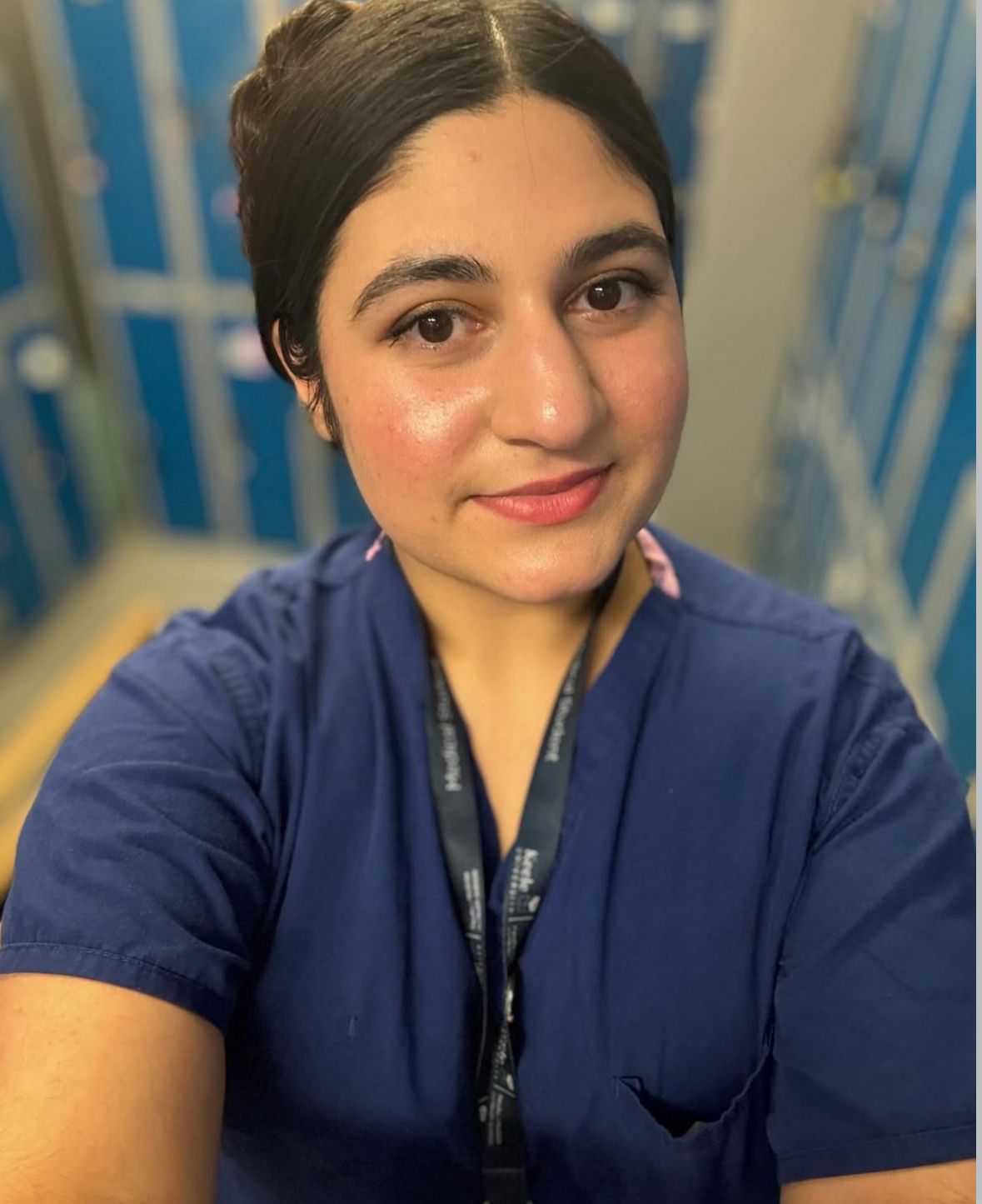
Safa Khan
4th Year — Keele University
I can reread everything I said and reflect on it step-by-step. My favourite part is how clearly the feedback is structured — it helps me identify exactly which areas to focus on. Examiner-style feedback without the pressure of real people.

Maheen Mahmood
4th Year — University of Southampton
Actually speak to AI patients — not type. Train the same muscle memory you need on exam day.
Practice as many stations as you want, for free. No pay-per-station gating.
Get scored against the official mark scheme immediately after every attempt — OSCE, USMLE, AMC, and more.
Create custom scenarios for your own curriculum, upload guidelines, and practice exactly what your exam tests.
Covering the topics that actually come up in your exam.
More ways to revise
Pick a station, talk to a voice AI patient in real time, then get instant checklist feedback and ask follow-up questions about your attempt.
Choose any station from the library and read your candidate instructions — exactly like the real thing.
Speak your history or examination in real time. The voice AI responds naturally, just like a real patient.
Instant marking against the official checklist, a benchmark against other students, and a Q&A to learn what you missed.
Central crushing chest pain in the ED. Take a focused history.
Acute shortness of breath post-op. Assess and manage.
No names. You know who we mean.
Feature
MLAbuddy
Others
Free Learning
Live OSCE-focused sessions led by senior medical students. Register once, join any session.

with Barbara
Sickle cell disease and acute chest syndrome, febrile neutropenia, tumour lysis syndrome, sepsis recognition, and initial emergency management

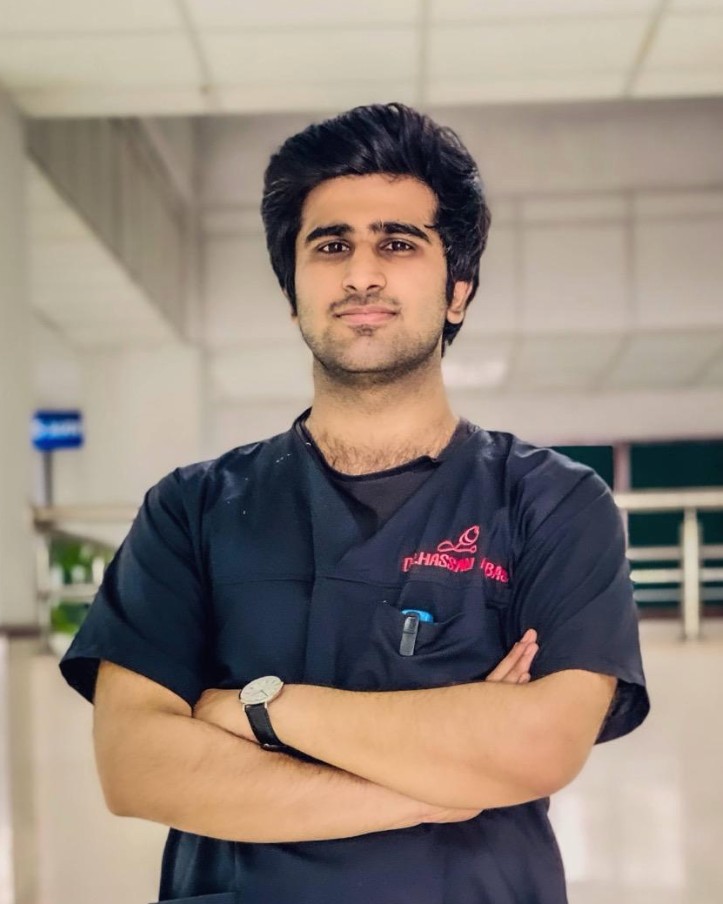
with Dr Hassan
Asthma (Diagnosis & Management)

with Rhieya
Crohn's disease, ulcerative colitis, differentiating presentations, structured history taking, key investigations, associations with anaemias, initial management, OSCE-style scenarios
Fellow med students tired of terrible study tools, so we made our own